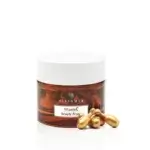




Spongilla in Dermelar Crystal Peel: Mechanism of Action
Spongilla (Sponge extract) is the primary active ingredient in Dermelar Crystal Peel, which contributes to its skin-conditioning and exfoliating properties. It comprises 32.135% of the product’s formula, making it the key component. Here’s an in-depth look at how Spongilla works on the skin and its unique properties:
Spongilla: How It Works on the Skin
Spongilla, derived from freshwater sponges, is known for its siliceous spicules—tiny needle-like structures made of silica. When applied to the skin in a treatment like the Dermelar Crystal Peel, the spicules create micro-injuries, which result in multiple skin benefits.
- Micro-exfoliation:
The spicules penetrate the skin’s surface, creating a mild, controlled micro-trauma. This micro-exfoliation:
- Removes dead skin cells and stimulates cell turnover, helping renew the skin.
- Helps to unclog pores, addressing issues like blackheads and whiteheads, often linked to acne-prone skin.
- Stimulates the shedding of pigmented skin cells, aiding in reducing melasma, sun spots, and freckles.
- Increased Collagen Production:
The minor injury caused by the spicules triggers the skin’s natural healing process. This leads to:
- Boosted collagen production, which improves skin elasticity and reduces fine lines.
- Firmer and more youthful-looking skin due to enhanced tissue regeneration.
- Enhanced Absorption:
- The spicules create tiny channels in the skin, making it more permeable to the active ingredients in the formula. This allows other ingredients, such as humectants (glycerin) and skin conditioners (isopropyl palmitate), to penetrate deeper into the skin layers, maximizing their efficacy.
Dermelar Crystal Peel INCI List Breakdown
Alongside Spongilla, the product includes several other ingredients that work synergistically to enhance its effects:
- Caprylic/Capric Triglyceride: A skin-conditioning agent that provides emollience, softening the skin while ensuring the Spongilla spreads easily.
- CI 77891 (Titanium Dioxide): A colorant that also offers some protection against UV radiation due to its reflective properties.
- Iron Oxide (CI 77491): Adds colour to the product but is also non-reactive, making it safe for sensitive skin.
- Mica: An opacifying agent that adds radiance to the skin and gives the product a smooth texture.
- Glycerin: A humectant that draws moisture into the skin, preventing dryness and supporting the skin barrier.
- Isopropyl Palmitate: A skin-conditioning agent that provides a silky, non-greasy feel.
- Sucrose Laurate and Sucrose Stearate: These are emulsifiers that help maintain the texture and stability of the product.
- Ethylhexylglycerin: A skin-conditioning agent with some preservative properties, preventing microbial growth.
- Phenoxyethanol: A preservative that helps extend the product’s shelf life and maintain its efficacy.
Treatment for Skin Concerns with Spongilla
- Melasma, Sun Spots, Freckles, and Pigmentation:
- Spongilla mechanical exfoliation encourages cell turnover, which helps break down excess melanin—the pigment responsible for dark spots and uneven skin tone. By continuously removing dead skin cells, the skin’s tone gradually becomes more even, reducing the visibility of melasma and hyperpigmentation.
- Oily Skin, Acne, and Pimples:
- Spongilla deep-cleansing action helps unclog pores and reduce sebum accumulation, which are major contributors to acne breakouts. The micro-injuries caused by Spongilla stimulate the skin’s healing process, reducing inflammation and promoting faster recovery from pimples and acne lesions.
- Anti-bacterial environment: Spongilla micro-exfoliation can also reduce the presence of bacteria on the skin, which helps prevent future acne outbreaks.
Conclusion: Spongilla’s Unique Benefits in Dermelar Crystal Peel
Spongilla siliceous spicules provide a mechanical exfoliation that helps with multiple skin issues like pigmentation, oily skin, and acne. Dermelar Crystal Peel capitalizes on Spongilla properties, combining it with emollients, humectants, and conditioning agents to create a comprehensive skincare treatment that enhances skin renewal, regulates oil production, and improves overall skin texture and tone.
Spongilla Action in the Epidermis and Dermis
Spongilla, with its siliceous spicules, acts on both the epidermal and dermal layers of the skin. Here’s a detailed explanation of how it addresses melasma and acne at their roots without causing significant side effects:
- Spongilla Mechanism of Action on the Epidermis:
- The epidermis is the outermost layer of the skin where the initial damage from conditions like melasma and acne occurs.
- Melasma and Hyperpigmentation:
- Spongilla spicules penetrate the epidermis, creating micro-injuries that trigger the skin’s natural wound-healing response.
- This microtrauma causes the removal of damaged keratinocytes, which contain excess melanin, the pigment responsible for hyperpigmentation and melasma.
- The activation of cell turnover encourages the shedding of the pigmented cells and replaces them with healthier, more evenly pigmented skin.
- Spongilla’s action also helps break up melanin clusters, gradually reducing the appearance of melasma, sun spots, and other hyperpigmented areas over time.
- Acne:
- Exfoliation: Spongilla’s spicules mechanically exfoliate the outer layer of the skin, unclogging pores by removing dead skin cells and excess sebum.
- Reduction of Acne Lesions: The spicules penetrate the acne-prone skin and stimulate blood flow and oxygenation, which accelerates the healing of existing pimples.
- The gentle exfoliation from Spongilla also prevents new acne formation by reducing the build-up of debris that can clog pores.
- Spongilla Mechanism of Action in the Dermis:
The dermis is the deeper layer of the skin where long-term structural damage from acne and melasma occurs. This layer is crucial for addressing both conditions at their root.
- Melasma:
- Melasma has a dermal component, where melanocytes (melanin-producing cells) become hyperactive, producing excess melanin. Spongilla’s unique action helps combat this by:
- Stimulating the production of collagen in the dermis. This happens as the spicules create micro-traumas that activate fibroblasts (cells responsible for collagen synthesis). Increased collagen production not only promotes skin renewal but also repairs damaged skin, aiding in the fading of melasma.
- Increasing cellular metabolism and regeneration: The skin’s healing response helps reduce the overactivity of melanocytes, diminishing the production of excess melanin over time.
- Acne:
- Acne can cause deeper inflammatory damage in the dermis, leading to scarring or post-inflammatory hyperpigmentation. Spongilla helps by:
- Reducing inflammation: The micro-traumas caused by the spicules stimulate an immune response that can mitigate the inflammation associated with acne. This helps reduce the redness and swelling in active acne lesions.
- Stimulating collagen: By promoting collagen synthesis, spongilla improves the skin’s ability to heal acne scars and smooth out the texture of the skin. This prevents long-term acne scarring.
- How Spongilla Targets the Roots of Melasma and Acne
- Melasma:
- Targets Excessive Melanin Production: Spongilla helps reduce melanin build-up by encouraging the removal of hyperpigmented cells and promoting the growth of fresh, evenly pigmented cells.
- Normalizes Melanocyte Activity: By stimulating the deeper layers of the skin, spongilla helps reduce melanocyte hyperactivity, which is the root cause of melasma. Over time, this balances melanin production, fading melasma safely.
- Acne:
- **Clears Pores and Reduces Sebum: Spongilla deep cleans the pores by exfoliating and reducing excess oil production. By doing so, it directly targets one of the root causes of acne.
- Anti-bacterial and Anti-inflammatory: The spicules promote a healthier skin environment, reducing bacteria and inflammation, which are two key contributors to acne breakouts.
- Spongilla’s Safety and Side Effect Profile
Spongilla is generally well-tolerated and considered safe for use in treatments for melasma, acne, and hyperpigmentation, provided it’s applied in controlled concentrations (as it is in Dermelar Crystal Peel). Here’s why:
- Non-Chemical Exfoliation: Unlike chemical peels (which can cause irritation or sensitivity), spongilla provides a **physical exfoliation** that is less likely to cause adverse reactions like burns or extreme redness.
- Controlled Micro-injury: The micro-trauma created by spongilla is superficial and controlled, stimulating the skin’s healing process without causing long-term damage. This promotes collagen production and skin renewal without causing deep wounds.
- No Major Irritation: Since Spongilla works through physical exfoliation, it **does not penetrate too deeply** into the skin. It primarily affects the outer and upper dermal layers, making it less likely to cause irritation or long-term side effects when used appropriately.
- Supports Skin’s Natural Healing: The spicules enhance the skin’s natural healing mechanisms, improving the skin barrier over time rather than weakening it.
Conclusion: Spongilla’s Effectiveness and Safety
Spongilla works on both the epidermis and dermis, targeting the root causes of melasma and acne through gentle exfoliation, collagen stimulation, and increased cell turnover. Its ability to address these conditions without significant side effects makes it an effective and safe treatment, especially in formulations like Dermelar Crystal Peel. By promoting the skin’s natural repair mechanisms, it can treat pigmentation and acne concerns over time with minimal irritation.